AI's Hidden Power Problem: Data Centers Bring Fossil Fuels to Your Backyard
As AI demand surges, massive data centers like Texas's Stargate are quietly building their own fossil fuel power plants, raising environmental and community concerns.
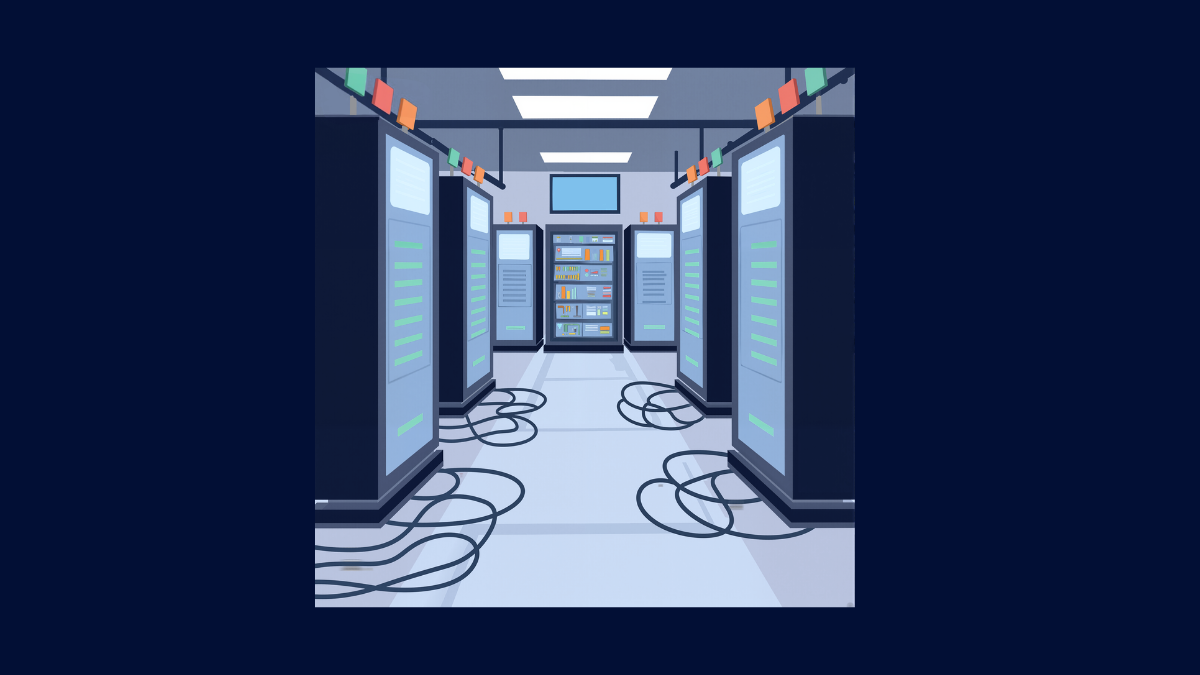
In this guide
The race to build AI superiority is happening fast, and it's leaving a significant environmental footprint. Across the U.S., massive AI data centers are under construction, often with little public awareness of their true impact.
Reporters investigating these sites, like Evan Simon, find that some are openly ignoring environmental laws. Regulators, it seems, are slow to react.
Key Takeaways
- AI data centers are building their own fossil fuel power plants, often avoiding public grid connections.
- This strategy leads to increased local air pollution, noise, and higher water usage.
- Regulatory bodies struggle to keep up with the industry's rapid growth and often lack transparency.
- Communities near these sites report health concerns and a feeling of being trapped by unannounced developments.
- Despite promises of green AI, most new data center infrastructure relies heavily on natural gas.
Stargate: A Texas-Sized Problem
In rural Texas, the Stargate data center is taking shape. It's a massive project, covering 1,100 acres – bigger than Central Park – and will eventually include 4 million square feet of buildings. But it's not just the size that's drawing attention. Stargate plans to have 62 diesel generators and 10 gas-powered turbines on site, with 41 more coming. This will make it one of Texas's largest fossil fuel power plants, solely to run the data center.
This proposed power plant could deliver over 1.7 gigawatts, enough to power more than a million homes for a year. It will also emit over 7.8 million tons of greenhouse gases annually, equivalent to about 2 million cars.
Omaira Garcia, who lives next to Stargate, wasn't aware of the full expansion plans until reporters informed her. She and her husband have noticed constant dust and need to change air filters every two weeks. She feels trapped, saying, "We weren't even included in this process."
The "Bring Your Own Power Plant" Strategy
Stargate isn't alone. This "bring your own power plant" approach is becoming common. In Mississippi, xAI's Colossus data center, which powers their chatbot Grok, used turbines on tractor trailers. They argued these were temporary, avoiding state and federal permits, a move out of step with EPA policy.
Crystal Polk, who lives across from the South Haven plant, is concerned. She and her children have severe asthma. "Having turbines running so close to my home that are unpermitted is a very deep concern," she said.
Texas now has roughly 300 data centers, with another 100 under construction and 100 more planned. Many use fossil fuels, with about half of new natural gas plants exclusively serving data centers, not even connecting to the state's electrical grid. While this "behind the meter" strategy might ease grid strain, it means more local power plants emitting pollutants.
Transparency and Regulatory Gaps
Kathryn Guerra, from Public Citizen and formerly with the Texas Commission on Environmental Quality, points out a problem with how these permits are often issued. Initial permits for data centers sometimes come in as "permit by rule" authorizations, typically for smaller operations like autobody shops. This allows construction to begin without public notice or input.
"When a data center pursues these lower level pre-construction authorizations, that grants them the authority to begin operating with no public notice requirement and no public input or participation," Guerra explains. She doubts regulatory bodies can keep up with the industry's pace.
The Jevons Paradox and Water Use
While AI chips are becoming more efficient, the sheer growth in AI usage is canceling out those gains. This is known as the Jevons Paradox: increased efficiency can lead to higher overall demand. So, even as AI gets smarter, its energy appetite grows.
Beyond electricity, data centers need massive cooling systems. Stargate uses a closed-loop water system. This could increase Texas's water usage by 9% by 2030, just from data centers.
Companies often promise renewable energy for their AI projects, but the reality is that most new facilities are powered by natural gas. Real-scale renewable energy for AI is years away, and new nuclear plants are even further off.
What This Means
The vision of AI solving climate change and other global problems is compelling. But in the present, the infrastructure supporting this future is often powered by dirty sources, impacting communities and the environment. Without better regulation and more transparency, the promise of AI could come at a steep cost to the very places it's built.



Comments
No comments yet. Tried this? Share how it went.